
Losing a tooth can affect more than just your smile. It can impact how you eat, speak, and even how confident you feel in daily life.
Fortunately, modern dentistry offers several ways to replace missing teeth. The two most common options are dental implants and dentures.
Both treatments restore your smile, but they work in very different ways. Understanding the differences can help you choose the solution that fits your lifestyle, comfort, and long-term dental health.
In this guide, we’ll explain how dental implants and dentures compare in terms of stability, comfort, cost, and long-term results.
Dentures are removable dental appliances designed to replace missing teeth.
They sit on top of the gums and can replace:
All teeth (Full Dentures)
Several missing teeth (Partial Dentures)
Modern dentures are more natural-looking than older versions and can restore basic chewing ability and appearance.
However, because they rest on the gums rather than being fixed into the bone, they may feel different from natural teeth.
Dentures are typically held in place using:
Suction
Dental adhesive
Metal clasps (for partial dentures)
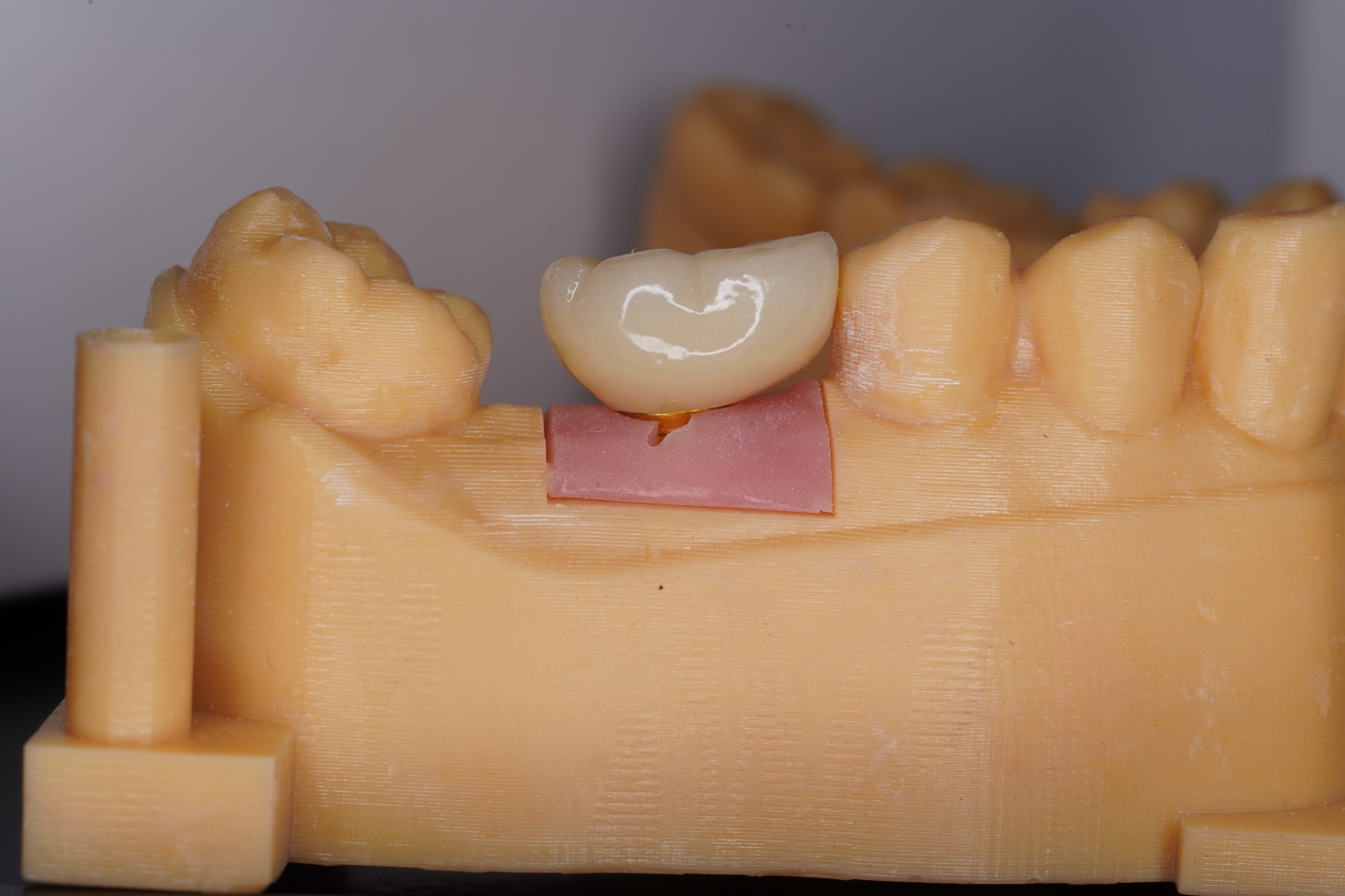
Dental implants are a permanent tooth replacement solution.
A small titanium implant post is placed into the jawbone to act as an artificial tooth root. Once the implant integrates with the bone, a dental crown is attached on top.
The result is a tooth replacement that:
Looks natural
Feels stable
Functions like a real tooth
Dental implants can replace:
A single missing tooth
Multiple teeth
Full arches using implant-supported dentures or bridges.
One of the biggest differences between implants and dentures is stability.
Because dental implants fuse with the jawbone, they remain secure and fixed in place. They do not shift while eating or speaking.
Dentures, on the other hand, may move slightly when chewing or talking. Over time, some patients experience looseness as the shape of the gums changes.
For many patients, implants feel much closer to natural teeth compared to removable dentures.
Chewing power is another major factor when choosing between dentures and implants.
Traditional dentures typically restore about 20–30% of natural chewing strength. This means certain foods may be harder to eat, such as:
Steak
Apples
Corn on the cob
Hard vegetables
Dental implants can restore up to 80–90% of natural bite force, allowing patients to enjoy a wider range of foods comfortably.
Many implant patients report that they can eat normally again without worrying about their teeth shifting.
When a tooth is lost, the surrounding jawbone gradually begins to shrink due to lack of stimulation.
Dentures do not stop this process because they sit on the gums rather than inside the bone.
Dental implants, however, function like natural tooth roots. They stimulate the jawbone, which helps maintain bone density and facial structure.
This is one of the key long-term advantages of implants.
Without proper bone stimulation, long-term tooth loss may lead to:
Jawbone shrinkage
Changes in facial appearance
A “sunken” look around the mouth.
Dentures require daily removal and cleaning.
Patients typically need to:
Remove dentures at night
Clean them separately
Use soaking solutions
Apply adhesive if necessary
Dental implants are much simpler to maintain.
They are cleaned just like natural teeth with:
Brushing
Flossing
Regular dental checkups
There is no need to remove them or use adhesives.
Dentures are usually more affordable initially, making them a common choice for patients looking for a quicker and lower-cost solution.
However, dentures may require:
Relining
Adjustments
Replacement every 5–10 years
Dental implants involve a higher upfront cost due to the surgical procedure and materials used.
However, implants are designed to last many years, often decades, making them a long-term investment for many patients.
For many patients, the biggest difference is confidence.
Dentures can sometimes create concerns about:
Slipping while speaking
Movement during meals
Removing them at night
Dental implants stay fixed in place, allowing patients to smile, talk, and eat with confidence.
Because they look and feel more natural, many people feel more comfortable in social situations after implant treatment.
Both dentures and dental implants are effective solutions for missing teeth. The right option depends on several factors, including:
Your oral health
Bone condition
Budget
Long-term goals
Personal comfort preferences
A consultation with a dentist is the best way to determine which treatment suits your needs.
If you are considering replacing missing teeth, understanding your options is the first step toward restoring your smile and confidence.
A professional dental assessment can help you determine whether dentures or dental implants are the better choice for your situation.
With the right treatment plan, you can regain the ability to eat comfortably, speak clearly, and smile with confidence again.
WhatsApp us